
From Performing to Presence: Loving Yourself Is the Work
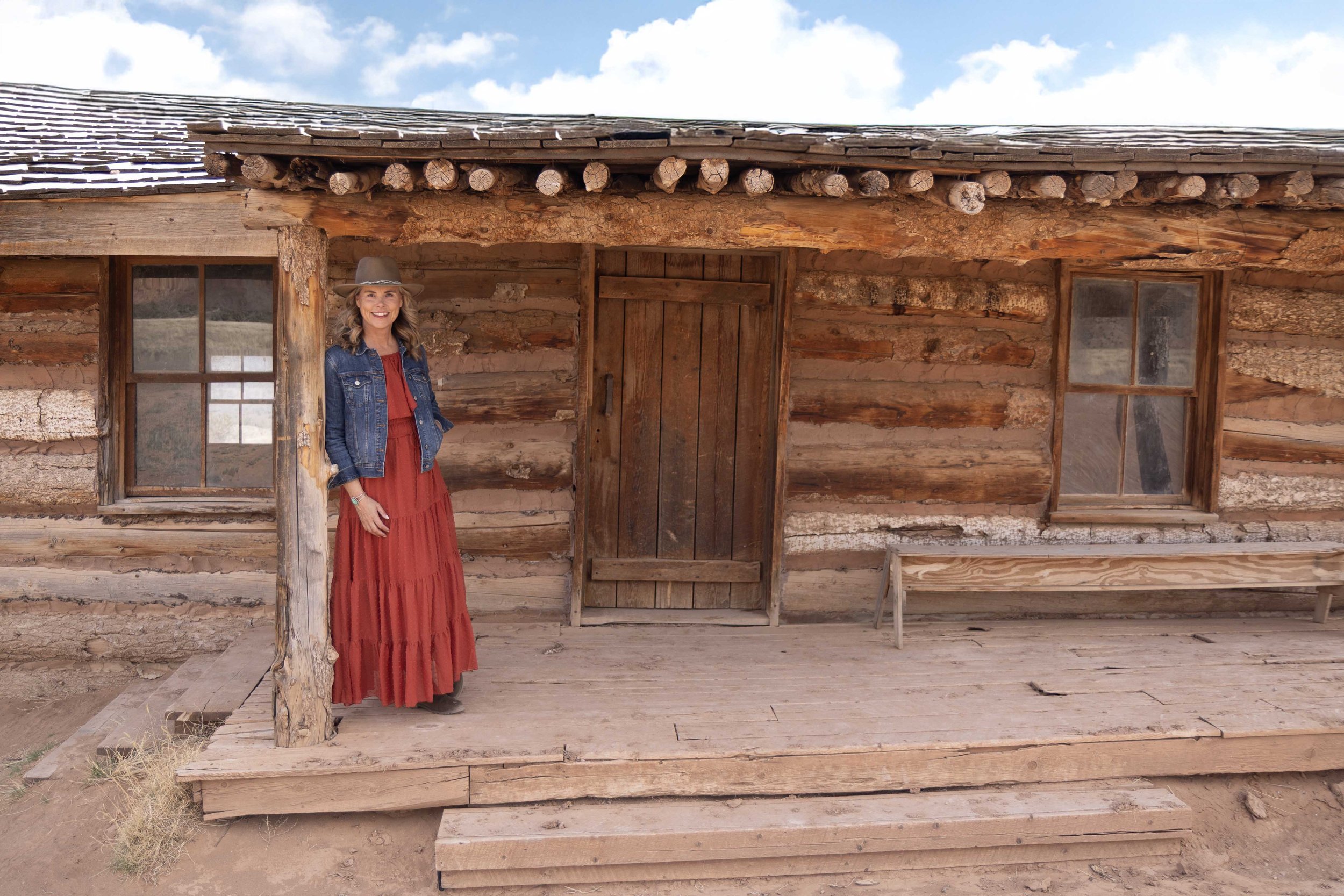
Self-portrait at Ghost Ranch in New Mexico. This cabin appeared in the movie City Slickers, starring Billy Crystal. This was Curly’s ranch house.
Recently, at a women’s networking event, a middle-aged woman asked me (also middle-aged) if I was pregnant.
What stayed with me wasn’t only the question—it was what she said next. She shared that other women ask her the same thing. In that moment, something became clear.
This wasn’t about me.
It was about her projection—a story she has learned to carry about her own body, quietly passed along through conversation.
Even when harm is framed in humor.
Even when it’s casual.
Even when it’s framed as familiarity.
It still can land...HARD.
And it often lands on women who feel safe to question—women who are open, warm, visible. Being an “easy target” doesn’t mean we’re weak. Often, it means we are present. Available. Willing to be seen.
Still, moments like this can wake old patterns: the internal body scan, the reflexive self-doubt, the subtle shame many of us learned before we had language for it.
This is the quiet cost of performing—living in a body that feels perpetually up for review.
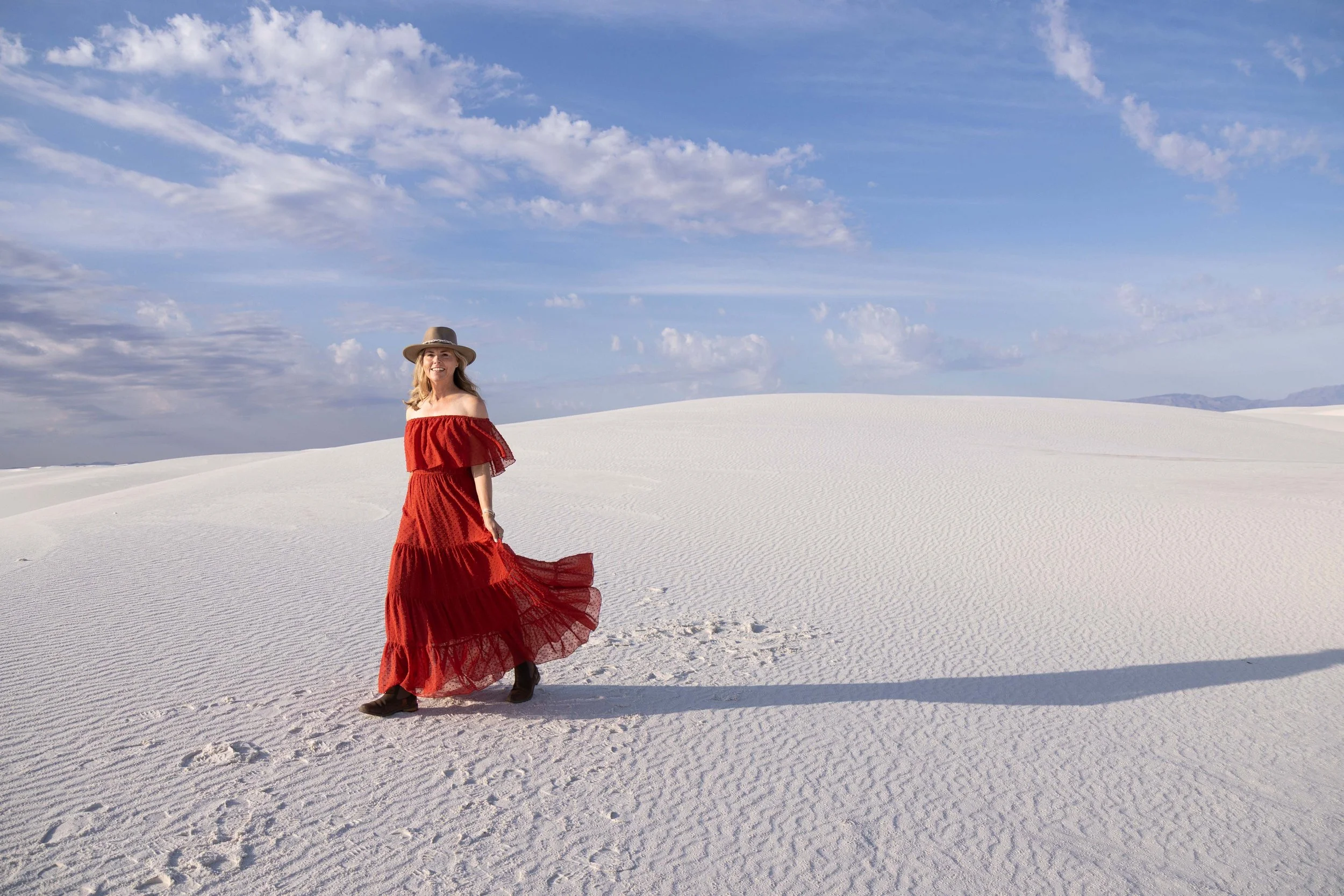
Self-portrait at White Sands National Park, New Mexico.
Women’s Bodies Are Not Public Property
The truth is, it’s almost impossible to “win” when it comes to having a body in this culture.
We’re criticized if we have plastic surgery.
Criticized if we don’t.
If we gain weight.
If we lose weight.
If we’re too thin.
If we’re “too curvy.”
If we exercise.
If we exercise “too much.”
If we age naturally.
If we try to slow aging.
If we show confidence.
If we take up space.
If we don’t take up enough.
The message is relentless: adjust yourself to be acceptable.
And that pressure doesn’t come only from the media—it often comes through everyday interactions, passed woman to woman, unconsciously.
This is why loving ourselves isn’t a Valentine’s cliché or a wellness buzzword.
It’s serious work.
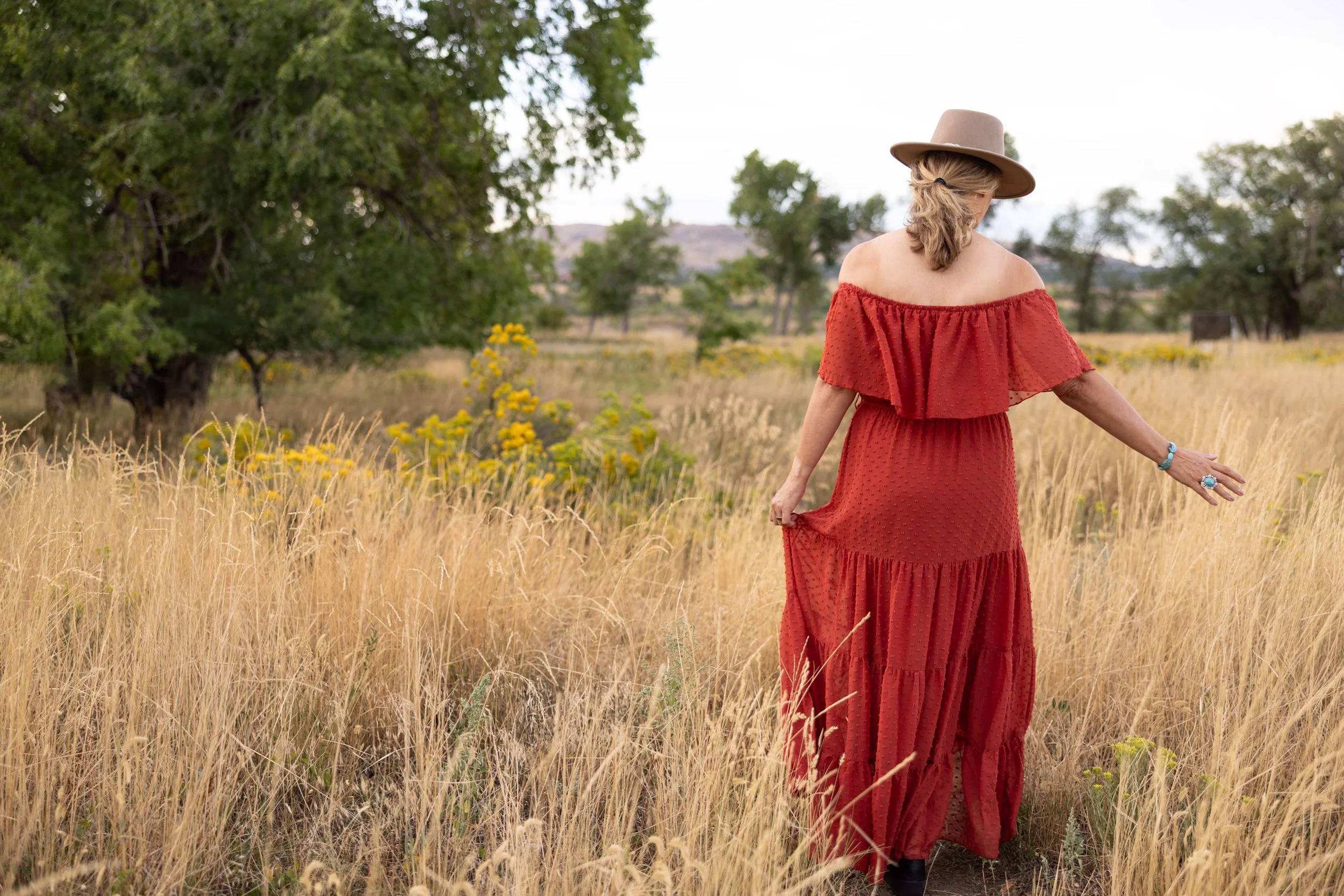
Self-portrait near Denver, CO, after my nasty bike wreck, where I didn’t want to show my face and the facial scarring I was healing.
Presence Is the Antidote to Projection
One of the most grounding truths I return to again and again is this:
You are not responsible for carrying someone else’s body story.
Your body is not a conversation piece.
It is not a debate.
It is not here to be evaluated, explained, or corrected.
Presence is the moment we stop performing for the room and return to ourselves.
A book that deeply shaped this understanding for me is My Body Is Not an Apology by Sonya Renee Taylor. It reframes self-love not as indulgence, but as resistance—especially in a culture that profits from our self-doubt.
Loving ourselves doesn’t mean we never feel hurt.
It means we don’t abandon ourselves when we do.
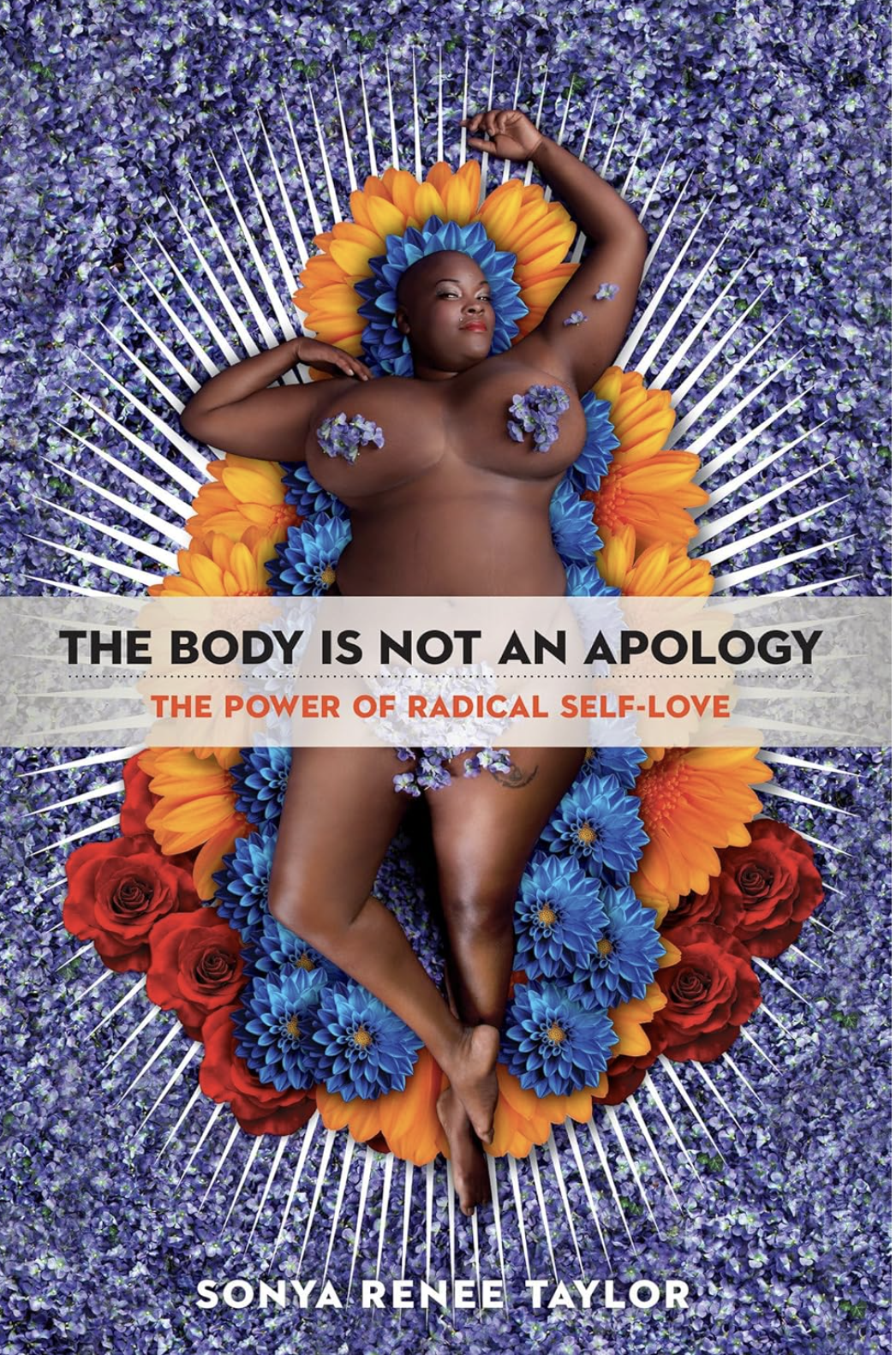
I highly recommend this book! It’s a game-changer.
From Performing to Presence (A Practice)
As a photographer, I observe this shift regularly.
When a woman steps in front of the camera and stops trying to get it right—when she releases the performance and allows herself to simply inhabit her body—something changes.
Her shoulders soften.
Her gaze steadies.
Her presence becomes unmistakable.
That moment is not about looking perfect.
It’s about being real.
This is the heart of my From Performing to Presence series—whether through writing, photography, or conversation. It’s an invitation to come home to yourself, without apology.
Loving Yourself Is an Act of Honor
This Valentine’s season, I’m offering a Headshot Party in North Scottsdale—not as a makeover, but as an act of self-honoring. A moment to be witnessed with care, intention, and respect.
And even if you never step in front of my camera, let this be your reminder:
You are not a projection.
You are not a problem.
You are not here to perform for anyone else’s comfort.
Loving yourself may be the most important work you do—not just this week, but always.